

A little noise here, a weak airflow there, it’s easy to shrug off those HVAC quirks as “just a phase.” But sometimes, your system is waving a red flag you shouldn’t ignore. A regular tune-up can handle minor issues, but some symptoms signal a deeper problem. If you’ve ever searched for HVAC Services Near Me, chances are you’ve already sensed something’s off with your system. Your HVAC should quietly keep your home comfortable. When it starts acting more like an overworked roommate than a reliable machine, it’s time to dig a little deeper. Let’s talk about the signs your system needs more than a quick tune-up.
Frequent Breakdowns and Endless Repairs
If your technician feels like a regular houseguest, that’s not a good sign. Multiple service calls in a short period usually mean your system is on its last leg. While maintenance helps prevent small issues from growing, constant repairs point to internal wear that can’t be fixed by another tune-up. At some point, repairs start costing more than replacement. If your HVAC is over 10 years old and keeps breaking down, replacing it could actually save you money. Think of it as trading in a sputtering old car for a fuel-efficient one that doesn’t stall every few miles.
Inconsistent Temperatures Around the House
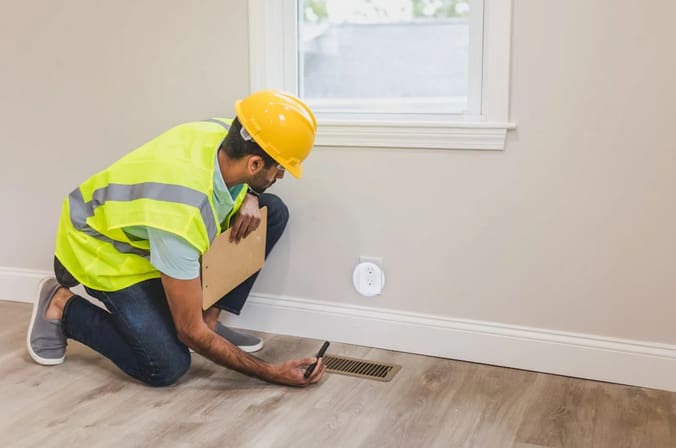
Cold spots in one room and hot air in another can make your home feel like it has climate zones. Uneven temperatures often indicate ductwork issues, failing components, or a system struggling to keep up. It’s like your HVAC is running a marathon with one shoe untied. It’s trying, but it’s not efficient. While a tune-up might temporarily improve airflow, a recurring imbalance often means your system is losing power or control accuracy. A technician can diagnose whether the problem lies in the thermostat, ducts, or the system itself. Sometimes, replacing aging equipment is the best long-term fix for steady comfort.
Unusual Noises and Strange Smells
HVAC systems should hum quietly in the background, not rattle like a toolbox or smell like something’s burning. Grinding, banging, or squealing noises usually point to mechanical wear or loose parts. Those odd smells? They might signal overheating, mold, or even electrical issues. A basic tune-up won’t eliminate these deeper problems. Mechanical or electrical failures require specialized repair or replacement. Ignoring the signs can lead to total system failure, or worse, safety risks. If your HVAC is acting up loudly or smells off, it’s speaking to you. Time to listen.
Rising Energy Bills With No Explanation

You haven’t changed your habits, yet your utility bills keep climbing. That’s a red flag. Aging or failing HVAC systems lose efficiency, forcing them to work harder to produce the same results. It’s like your system is running a marathon in a heavy coat, burning more energy than necessary. Regular maintenance helps maintain efficiency, but if your bills keep rising even after servicing, there’s likely a hidden issue, like those leaky ducts or a weak compressor. In such cases, replacement might be more cost-effective than patching problems over and over.
Your HVAC system keeps air flowing, temperatures steady, and comfort alive. But every machine has its limits. When the warning signs start stacking up, treating it to yet another tune-up won’t solve the root issue. A professional inspection can help you make the right call before a full breakdown happens.…


 If your HVAC system is constantly breaking down and requiring frequent repairs, it may be time to consider replacing it. Not only will the costs of these repairs add up over time, but it’s also a sign that your system is nearing the end of its lifespan. Another factor to consider is the availability of replacement parts for your system. If it’s an older model and finding replacement parts becomes difficult, it may be more cost-effective to replace the entire system rather than constantly trying to repair it with makeshift solutions. Additionally, if your energy bills have been steadily increasing, it may be a sign that your HVAC system is no longer running efficiently and may need to be replaced.