

A little noise here, a weak airflow there, it’s easy to shrug off those HVAC quirks as “just a phase.” But sometimes, your system is waving a red flag you shouldn’t ignore. A regular tune-up can handle minor issues, but some symptoms signal a deeper problem. If you’ve ever searched for HVAC Services Near Me, chances are you’ve already sensed something’s off with your system. Your HVAC should quietly keep your home comfortable. When it starts acting more like an overworked roommate than a reliable machine, it’s time to dig a little deeper. Let’s talk about the signs your system needs more than a quick tune-up.
Frequent Breakdowns and Endless Repairs
If your technician feels like a regular houseguest, that’s not a good sign. Multiple service calls in a short period usually mean your system is on its last leg. While maintenance helps prevent small issues from growing, constant repairs point to internal wear that can’t be fixed by another tune-up. At some point, repairs start costing more than replacement. If your HVAC is over 10 years old and keeps breaking down, replacing it could actually save you money. Think of it as trading in a sputtering old car for a fuel-efficient one that doesn’t stall every few miles.
Inconsistent Temperatures Around the House
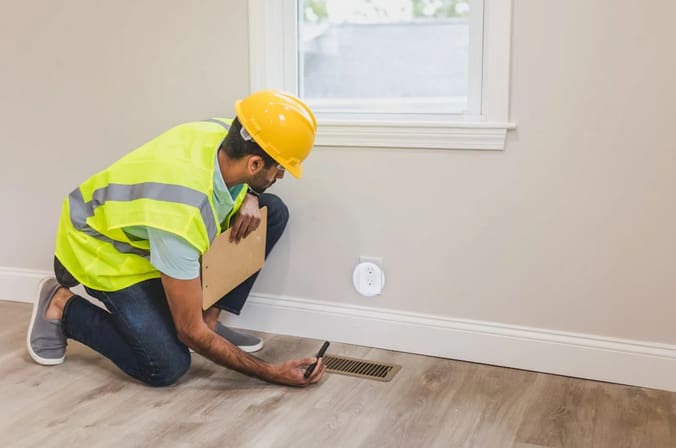
Cold spots in one room and hot air in another can make your home feel like it has climate zones. Uneven temperatures often indicate ductwork issues, failing components, or a system struggling to keep up. It’s like your HVAC is running a marathon with one shoe untied. It’s trying, but it’s not efficient. While a tune-up might temporarily improve airflow, a recurring imbalance often means your system is losing power or control accuracy. A technician can diagnose whether the problem lies in the thermostat, ducts, or the system itself. Sometimes, replacing aging equipment is the best long-term fix for steady comfort.
Unusual Noises and Strange Smells
HVAC systems should hum quietly in the background, not rattle like a toolbox or smell like something’s burning. Grinding, banging, or squealing noises usually point to mechanical wear or loose parts. Those odd smells? They might signal overheating, mold, or even electrical issues. A basic tune-up won’t eliminate these deeper problems. Mechanical or electrical failures require specialized repair or replacement. Ignoring the signs can lead to total system failure, or worse, safety risks. If your HVAC is acting up loudly or smells off, it’s speaking to you. Time to listen.
Rising Energy Bills With No Explanation

You haven’t changed your habits, yet your utility bills keep climbing. That’s a red flag. Aging or failing HVAC systems lose efficiency, forcing them to work harder to produce the same results. It’s like your system is running a marathon in a heavy coat, burning more energy than necessary. Regular maintenance helps maintain efficiency, but if your bills keep rising even after servicing, there’s likely a hidden issue, like those leaky ducts or a weak compressor. In such cases, replacement might be more cost-effective than patching problems over and over.
Your HVAC system keeps air flowing, temperatures steady, and comfort alive. But every machine has its limits. When the warning signs start stacking up, treating it to yet another tune-up won’t solve the root issue. A professional inspection can help you make the right call before a full breakdown happens.…


 The first impression is crucial when selling a home. Enhancing your house’s curb appeal can captivate potential buyers and entice them to take a closer look. Start by cleaning up your front yard and removing any debris or dead plants. Consider investing in simple landscaping, such as trimming overgrown bushes, mowing the lawn, and planting colorful flowers. Repainting the front door or adding new house numbers can also freshen up the exterior.
 Although major renovations may not be feasible when trying to sell quickly, addressing smaller repairs and upgrades can make a noticeable difference. Make a list of minor repairs that need attention, such as fixing leaky faucets, squeaky doors, or loose handrails. Replace cracked tiles, fix any holes in walls, and repair any visible signs of wear and tear. Additionally, consider low-cost upgrades that can enhance the overall impression of your home.
 Building inspections serve as a proactive approach to uncovering any underlying issues that might be hidden from plain sight. Trained professionals thoroughly examine the structural integrity, electrical systems, plumbing, roofing, and other major components of a building to identify any defects, weaknesses, or damage. This enables timely repairs and prevents more significant and costly problems down the line.
 Building inspections are essential for homeowners, buyers, and investors alike. They offer a comprehensive evaluation of a property’s condition, enabling proactive maintenance, protecting investments, and ensuring compliance with building codes. Whether you’re maintaining your current home, in the market for a new property, or considering investment opportunities, building inspections should be an integral part of your decision-making process.…


 If your HVAC system is constantly breaking down and requiring frequent repairs, it may be time to consider replacing it. Not only will the costs of these repairs add up over time, but it’s also a sign that your system is nearing the end of its lifespan. Another factor to consider is the availability of replacement parts for your system. If it’s an older model and finding replacement parts becomes difficult, it may be more cost-effective to replace the entire system rather than constantly trying to repair it with makeshift solutions. Additionally, if your energy bills have been steadily increasing, it may be a sign that your HVAC system is no longer running efficiently and may need to be replaced.


 The first step of proper home staging is to declutter your space. This means eliminating all the excess items that make it look cluttered and chaotic. You want potential buyers to be able to envision themselves living in your home without being distracted by too much stuff. So if you have an abundance of knick-knacks, family photos, and other decorative items, it’s best to store them away until the property is sold.
 When staging a room, you want to ensure it looks as spacious and inviting as possible. To do this, you’ll need to find the right furniture pieces. Try to stick with furniture that is neutral in color and style so that buyers can envision their own furniture in the space. Additionally, larger pieces of furniture can actually make a room look smaller, so you’ll want to stick with smaller pieces when staging.
 A lease is a legal contract between the landowner and the farmer. It outlines the terms of the agreement, such as what will be expected from both parties during the lease period, how much rent must be paid, and how long it may last. The lease should also outline any restrictions on farming activities, such as types of crops that can be grown or the number of livestock that can be kept on the property.
 Standard clauses in a lease agreement typically include rent payment terms, length of the lease, upkeep requirements, and a clause regarding what will happen in case either party fails to fulfill their obligations. Standard clauses may also include restrictions on activities such as selling timber on the property or allowing additional people to live or work on the land. In conclusion, farmland leasing is a great way to access more acreage without having to purchase it outright.

 Once your furniture is in place, add some accessories, such as rugs, plants, lamps, artwork, etc., to give the room an inviting atmosphere. Now is your time to enjoy the results of your hard work and admire the beauty of your newly organized home. With these tips, you should have no problem arranging furniture in your house for a more comfortable and enjoyable living space.
 Your roof protects your home, so it’s important to keep it in good condition. Inspect your roof regularly for missing or damaged shingles and have any repairs made as soon as possible. A small leak can quickly turn into a big problem if left unchecked, so don’t delay.
 Leaky pipes and faucets are another common cause of water damage. Have a plumber check all your faucets and pipes for leaks on a regular basis. Fixing any leaks as soon as they are discovered can help prevent extensive water damage. By following these simple tips, you can help to protect your home from water damage. Don’t wait until it’s too late. Be proactive and take action to prevent water damage today.…
 Preventing is always better than having to cure. This is especially true when it comes to pest control. That is why one of the best ways to get rid of pests is to prevent them from entering your home in the first place. You can do this by sealing off any cracks or holes that they might use as an entry point.
 If you have a serious pest problem, you may need to call a professional pest control company. These companies have the experience and expertise to effectively get rid of pests. They will also be able to advise you on the best ways to prevent pests from returning in the future.
 One thing you should always consider when purchasing a home is the property’s age. Newer homes will obviously cost more than older homes, but they also have certain advantages. For one, newer homes are often built to stricter code standards than older homes. It means that they are usually safer and more energy-efficient. Additionally, newer homes tend to have more features and amenities than older homes. If you’re looking for a home with all the bells and whistles, you’ll likely find it in a newer development.
 Finally, unfortunately, most home buyers forget or even choose not to hire a home inspector
 To correctly determine the age of your
 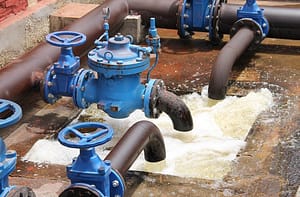 There are several different water heater flood protection devices on the market. These devices can help shut off your water heater in the event of a flood, preventing extensive damage to your home. Many of these devices are relatively inexpensive and easy to install.

 You may choose to retire abroad in a country with a lower cost of living, which allows you to keep more of your savings for yourself. Whenever possible, try not to limit your options because it is better to retire abroad in a country that offers a low cost of living and high salaries at the same time.


