

Water heater flooding is a serious problem that can cause extensive water damage to urban homes. In this post, we will discuss some tips on preventing water heater flooding and minimizing the amount of damage it causes. Flooded hot water systems are not good, and the water damage could cost you a lot. So, make sure you follow these tips to keep your home safe from water heater-related floods!
Get an Inspection Scheduled
 To correctly determine the age of your water heater and whether or not it needs to be replaced, you can have a licensed plumber inspect it.
Many homeowners wait until there is a problem before they take any action, but this may lead to more extensive and costly repairs down the road. Scheduling regular inspections will help identify any potential issues with your system before they turn into a bigger issue.
Install a Backup Sump Pump
If you live in an area that is prone to flooding, it’s a good idea to install a backup sump pump. This will help ensure that your home remains dry even if your main sump pump fails. A backup sump pump can be purchased for relatively cheap and is easy to install, but if you are unsure, it’s always a good idea to get one done by a certified professional.
Consider a Water Heater Flood Protection Device
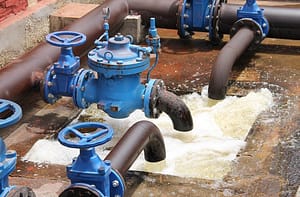 There are several different water heater flood protection devices on the market. These devices can help shut off your water heater in the event of a flood, preventing extensive damage to your home. Many of these devices are relatively inexpensive and easy to install.
A water heater flood protection device can do so much to help minimize water damage in the event of a flood. If you live in an area that is prone to flooding, it’s definitely something worth considering!
Check Your Water Heater Drain Valve
One of the most common causes of water heater flooding is a clogged drain valve. Make sure to check your drain valve regularly and clear any debris that may have built up. You can also purchase a water heater drain valve cleaning kit to make the process a little easier.
At the end of the day, to prevent water heater flooding, performing regular maintenance on your system is a must, and that includes checking the pressure relief valve, flushing out the tank, and checking for any leaks. By following these tips, you can help minimize the risk of water heater flooding and keep your home safe from potential damage.


